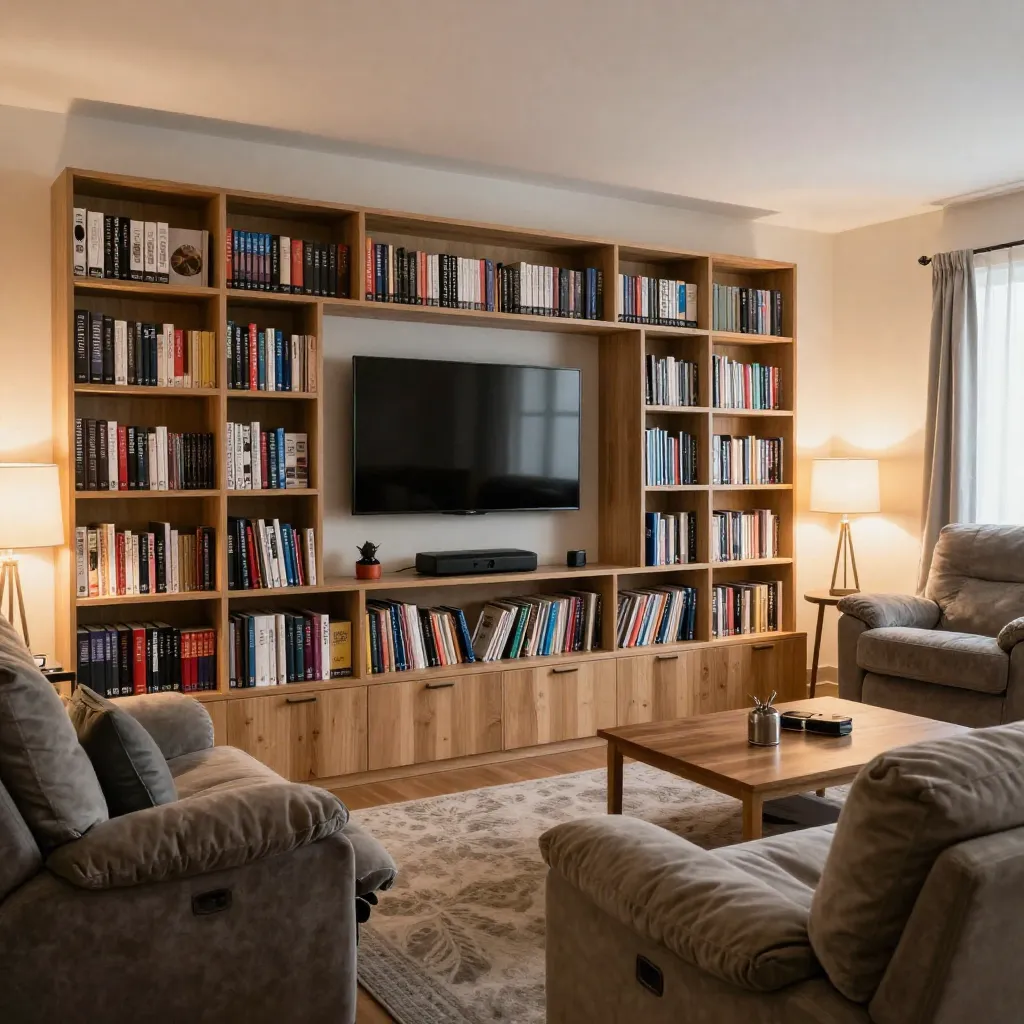
Understanding the Sweet Spot
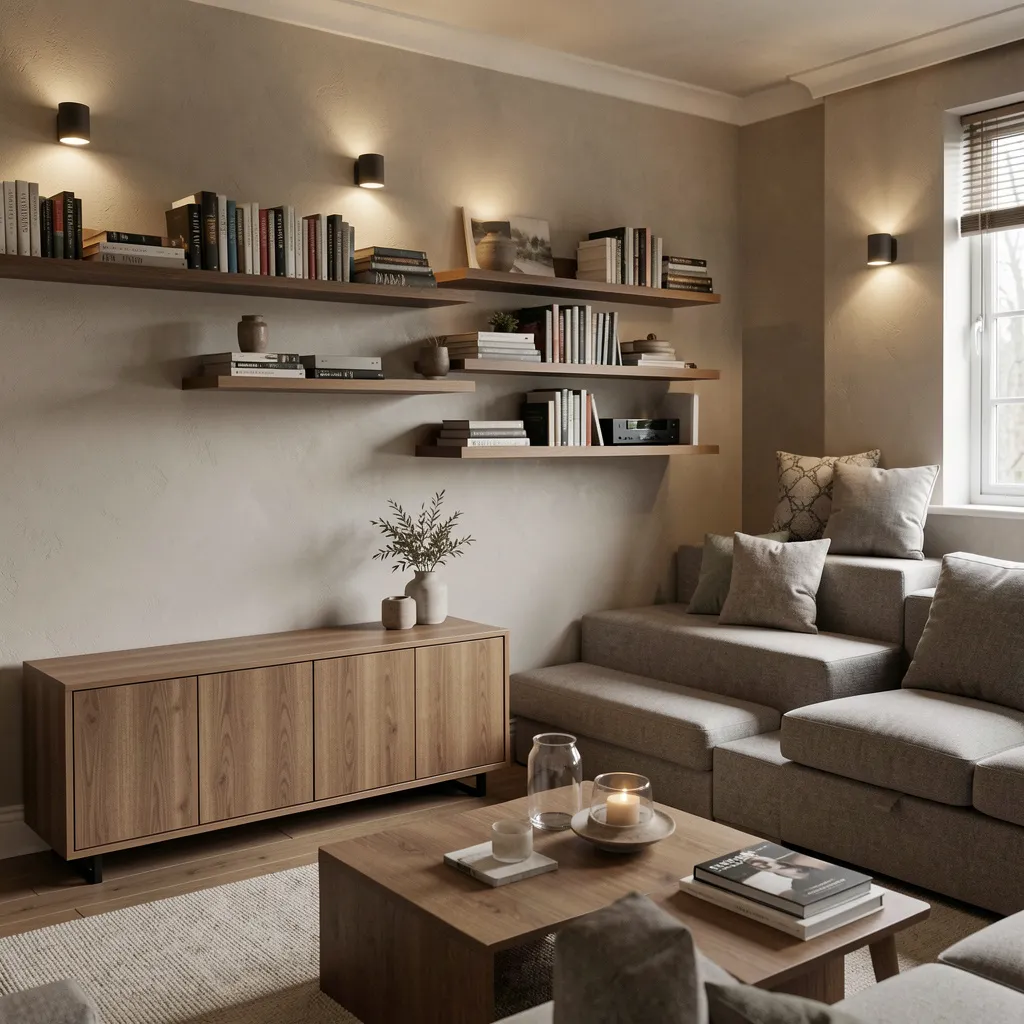
Optimal Viewing Distance
The ideal distance between seating and screen is calculated based on screen size, resolution, and viewing angle. This ensures maximum detail perception without eye strain.
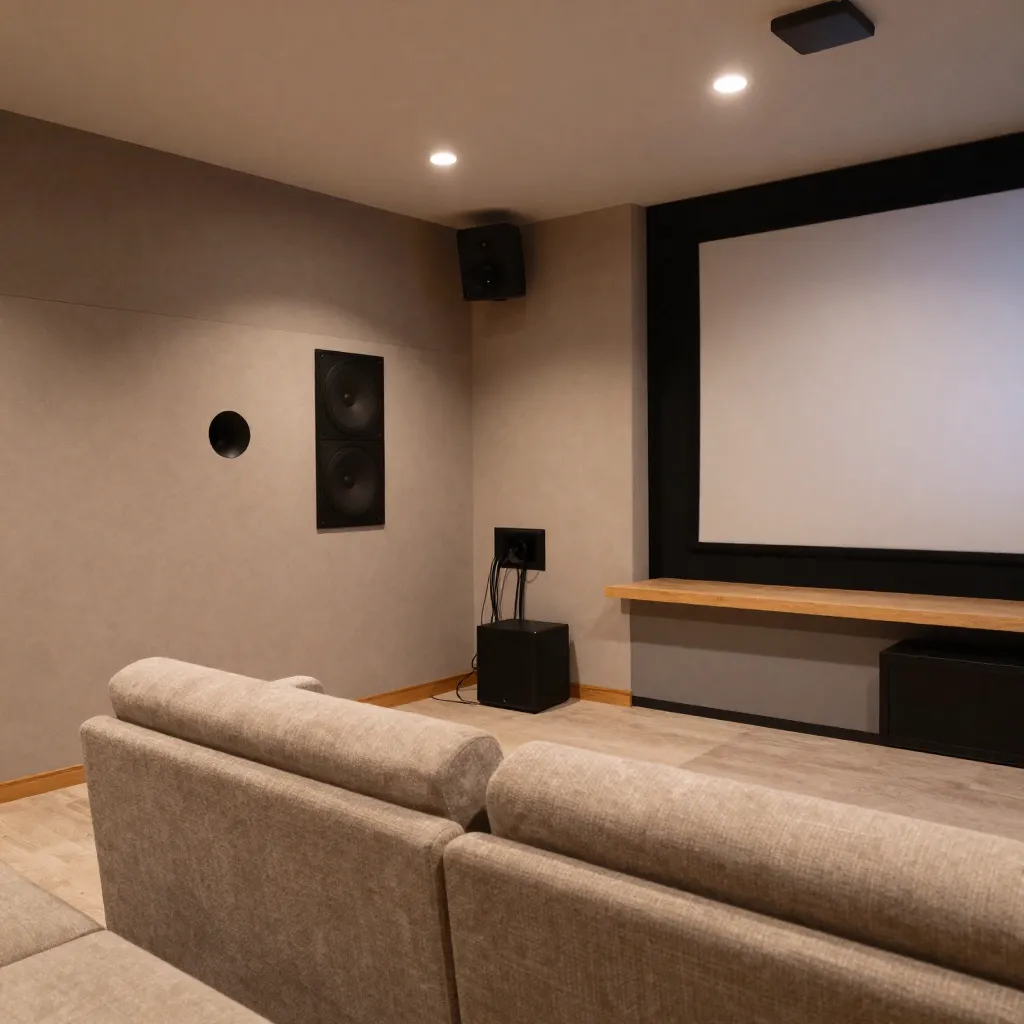
Viewing Angle Precision
Seating positions are arranged to maintain optimal viewing angles, typically between 30 and 40 degrees from the screen center, ensuring comfortable viewing for extended periods.
Lighting Zone Architecture
Task Lighting
Focused illumination for reading, navigation, and accessing controls without interfering with the viewing experience. Positioned to avoid screen glare.
Bias Lighting
Soft ambient light behind the screen reduces eye strain by balancing the contrast between the bright display and dark room environment.
Ambient Modes
Adjustable room lighting that enhances different activities, from full darkness for movies to soft illumination for social viewing.
Seating Configuration Logic
Primary Viewing Position
The central seating position is calculated first, establishing the reference point for all other seating arrangements and technical component placement.
Multi-Seat Arrangements
Additional seating is positioned to maintain optimal viewing angles while ensuring clear sightlines and comfortable spacing between seats.
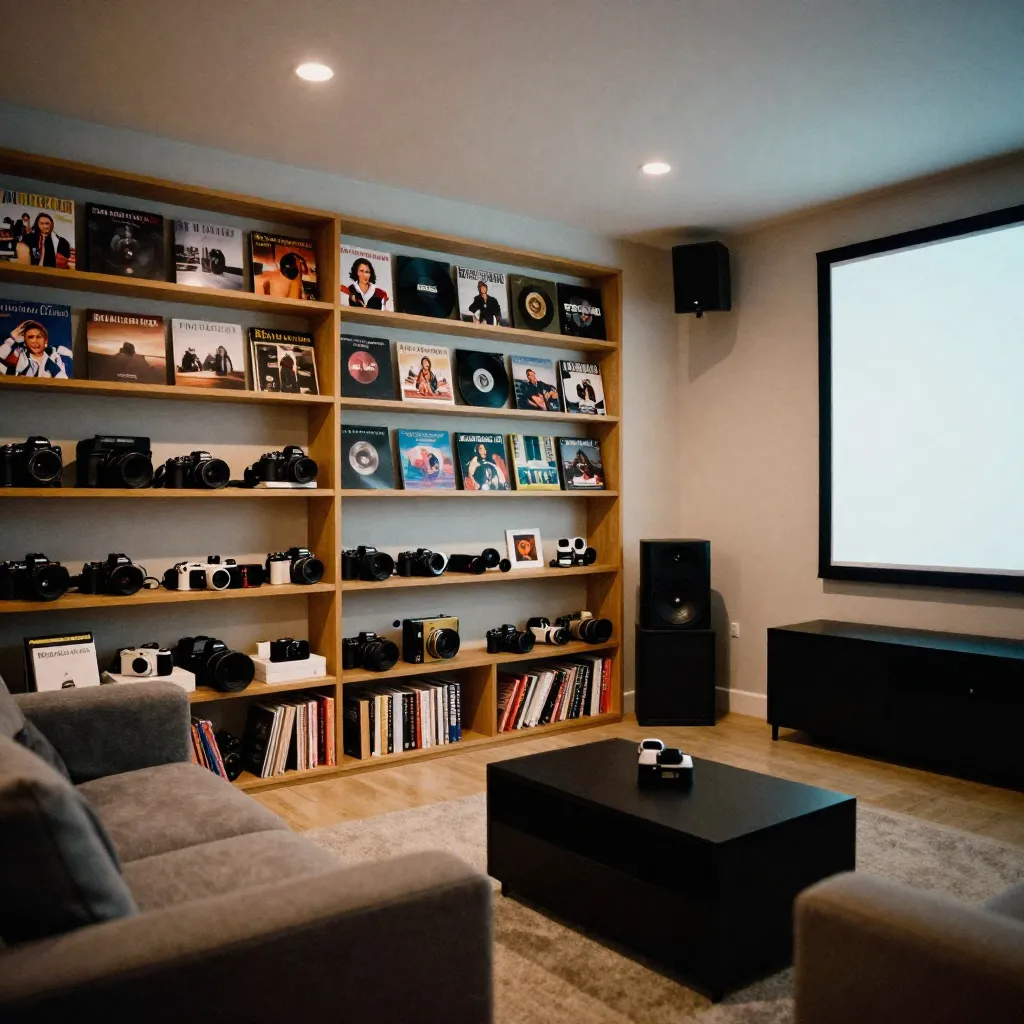
Technical Considerations
Screen Height
Screen center is positioned at eye level when seated, typically 42 to 48 inches from the floor depending on seating height.
Speaker Placement
Audio components are positioned to create optimal sound staging while maintaining clear sightlines to the screen.
Room Dimensions
Room proportions and dimensions are analyzed to determine the most effective layout for both visual and acoustic performance.
Accessibility
All seating positions maintain clear pathways for movement and access to controls without disrupting the viewing experience.